
Eco-friendly Jeans
Ethical Fashion, Positive Impact
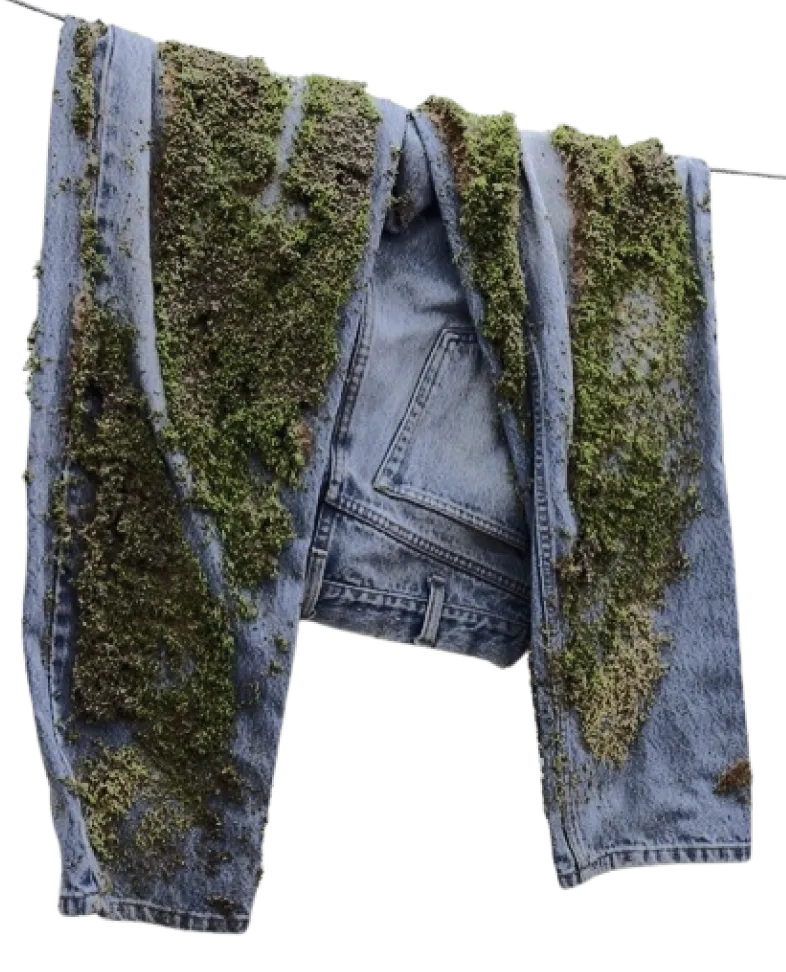
"Eco-friendly jeans combine style and respect for the planet. Explore the innovations transforming the industry."
Written on October 20, 2024, at 5:00 PM

Eco-friendly Jeans: Towards More Sustainable Fashion
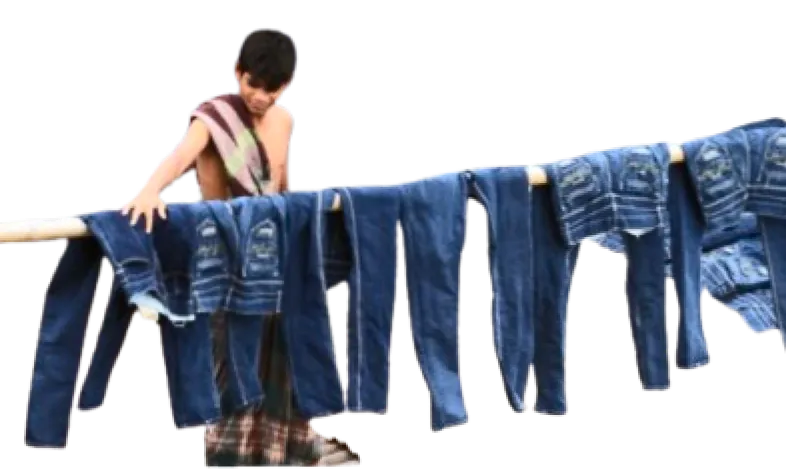
Jeans, an iconic fashion piece, are also among the most polluting garments.
Producing a single pair of jeans requires approximately 7,500 liters of water—a staggering figure as global demand continues to rise.
In response to this reality, the denim industry is shifting towards more environmentally friendly production methods.
Organic Cotton: A Sustainable Alternative
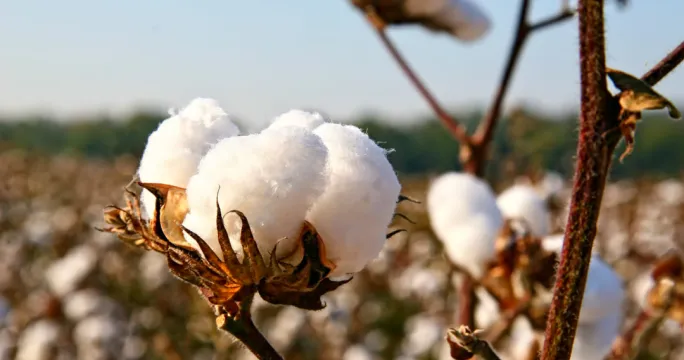
Conventional cotton, used in most jeans, requires significant amounts of water and pesticides.
Organic cotton, on the other hand, is grown without chemicals and uses less water, offering a more planet-friendly solution.
This approach helps preserve ecosystems while reducing the water footprint of each pair of jeans.
Recycled Fibers: An Effective Solution
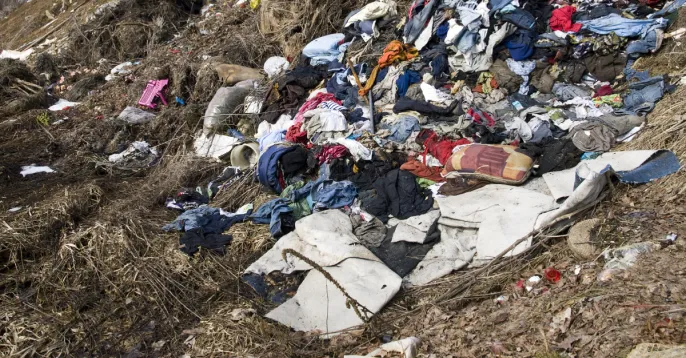
Recycled fibers, sourced from old clothes or production scraps, reduce the need for new resources.
This practice, integrated into a circular economy, decreases textile waste and promotes a more sustainable use of raw materials.
Eco-friendly Dyeing Processes
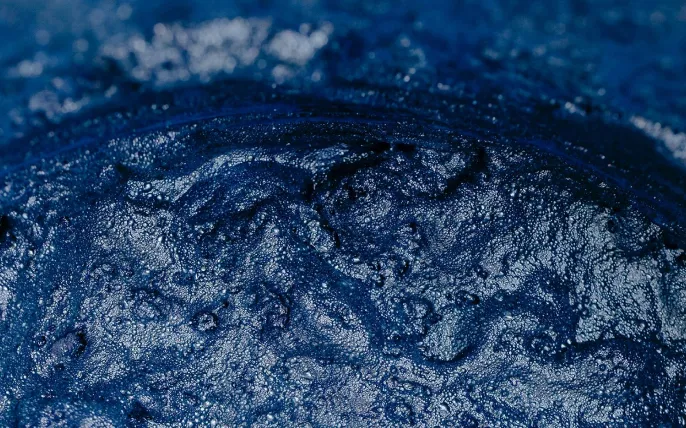
Traditional denim dyes are known for their high water consumption and chemical waste.
Today, innovative solutions such as water-based dyes or natural pigments help minimize the environmental impact of coloring processes.
Encouraging Reuse

Some brands are committed to recycling programs, inviting consumers to return their old jeans to be transformed into new items or insulation materials.
This model encourages waste reduction while extending the lifespan of garments.
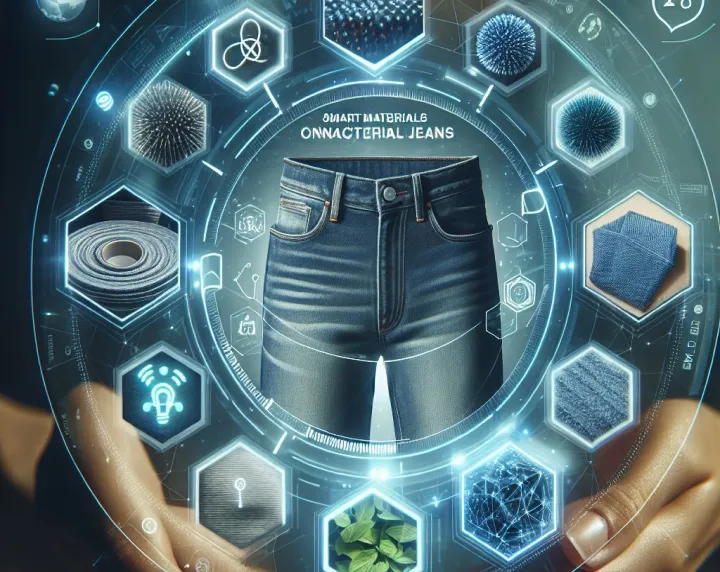
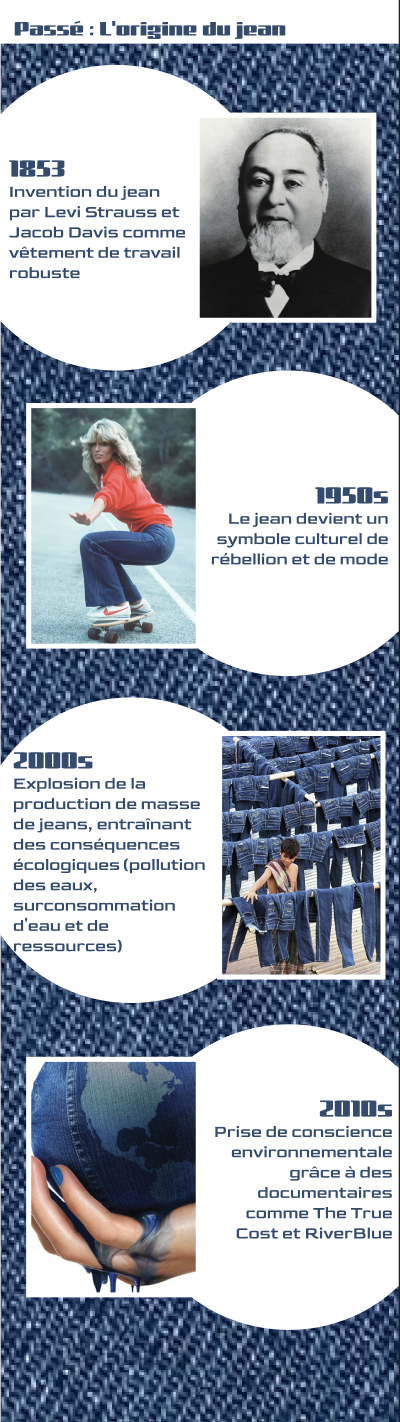
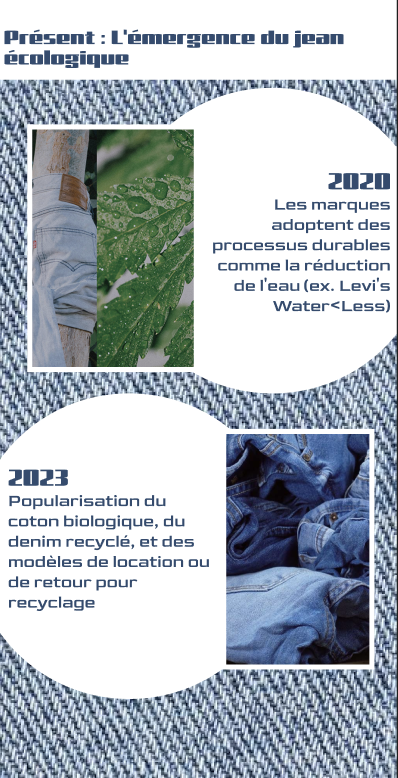
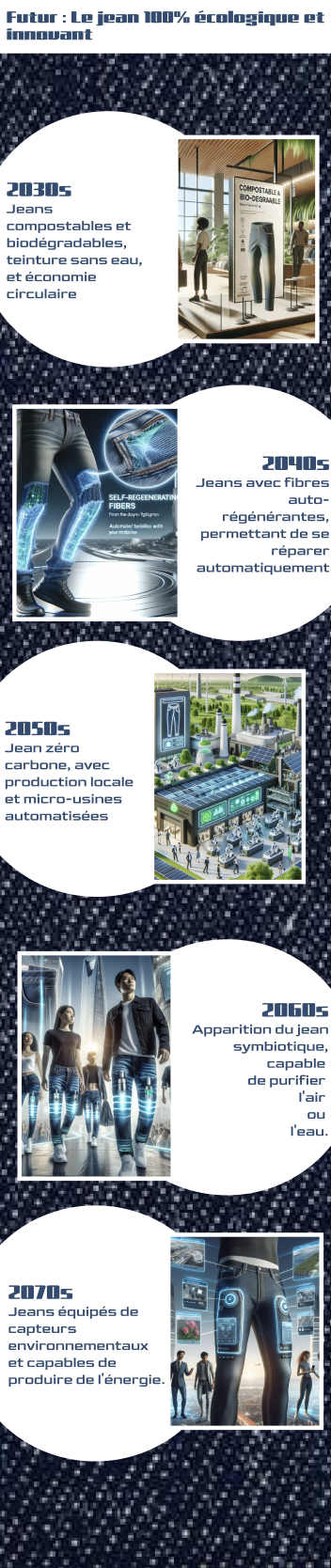
The Evolution of Jeans: From Past to Eco-friendly Future